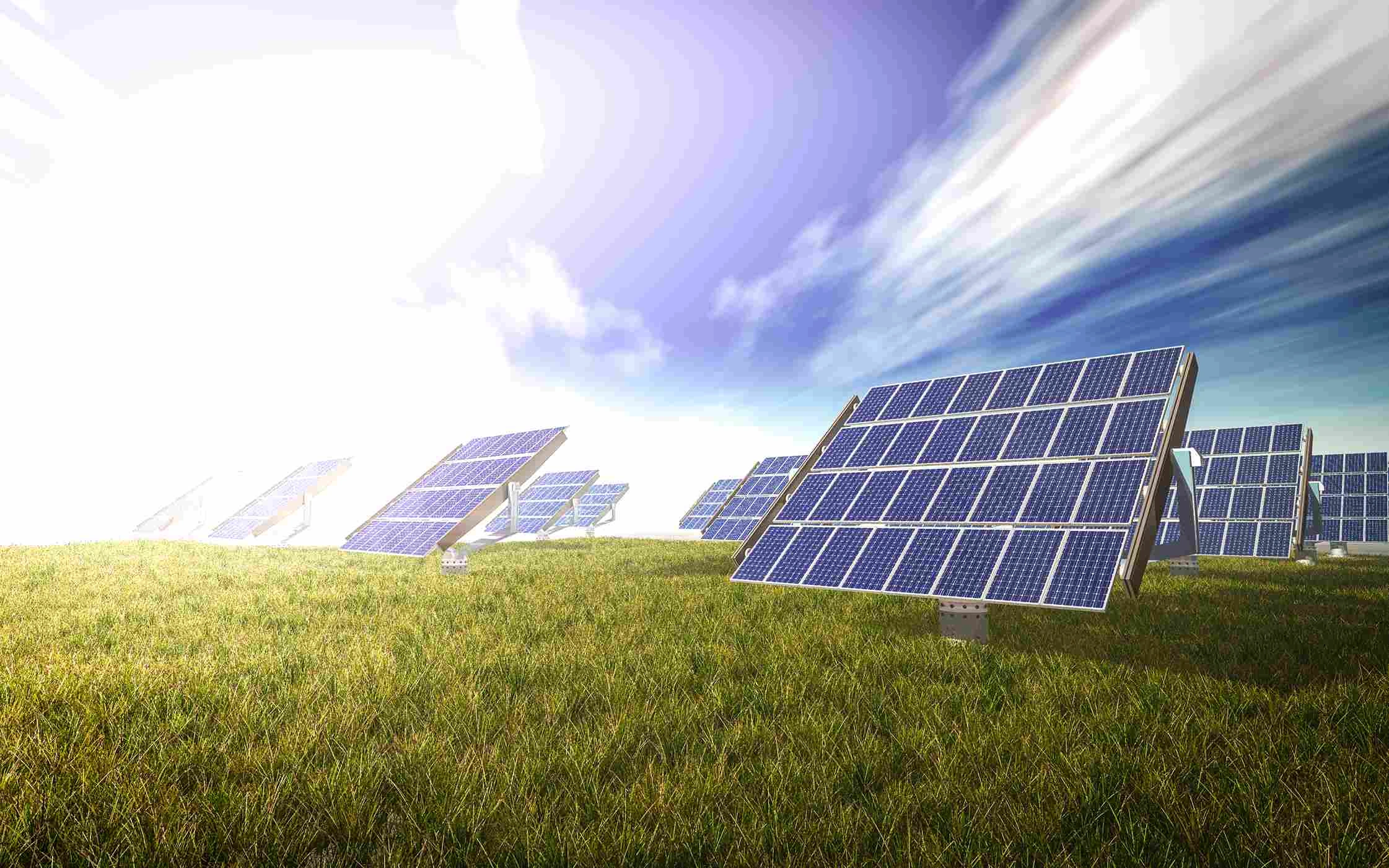
Adoption of latest solar technologies – TopCon
Leveraging government incentives (PLI, RIPS, State subsidies) to ensure global competitiveness
Backed by a skilled team with industry knowledge.
Green operations with recycling and minimal carbon footprint.
India’s domestic demand coupled with first-mover advantage positions ASL to capture strong domestic and global growth.

Happy Customers
Projects Done
Expert team members
Large-scale assembly for high-wattage modules (utility & rooftop).
Smart solar modules with IoT-enabled monitoring for industrial and residential customers
Entry into hybrid energy parks (solar + wind + storage) to offer end-to-end clean energy solutions.
Integration with batteries & hybrid solar solutions.
Solar panels absorb sunlight using photovoltaic (PV) cells, which convert it into direct current (DC) electricity. An inverter then transforms that into alternating current (AC), which powers your home or business.
Yes. By generating your own electricity, you can significantly reduce or even eliminate your monthly utility bills, depending on your system size and energy usage.
Most homes are. Ideally, you'll need a roof with good sun exposure (minimal shade), enough space for the panels, and a structure in good condition. We provide a free assessment to confirm suitability.
Solar panels typically last 25–30 years or more. Inverters and batteries may need replacement sooner, but most systems continue to function well with minimal maintenance.
Yes, solar panels still generate electricity in cloudy conditions—just at a lower output. Efficiency may drop by 10–25%, but you'll still be producing power.